How Can You Improve Home Safety for Your Family?
January 26, 2026
Home safety is built through small, thoughtful choices made during everyday life rather than dramatic one-time actions. Families spend most of their time at home, which makes ordinary spaces like hallways, kitchens, and bedrooms especially important to protect. Many common risks come from habits that feel harmless until an accident happens. A clear and practical approach helps reduce these risks without turning the home into an uncomfortable or restrictive place. When safety improvements are simple and realistic, they are more likely to be maintained over time. In this article, practical and family-friendly ways to improve home safety are explained step by step.
1. Prevent Accidents and Falls
Secure Rugs and Clear Walkways
Loose rugs and cluttered walkways are among the most common causes of household accidents. Rugs that slide easily can be secured with non-slip pads to reduce sudden movement underfoot. Walkways should remain clear of shoes, bags, and toys, especially in busy areas like entryways. This is particularly important during mornings and evenings when family members move quickly. Good lighting also helps people notice obstacles before they become hazards. Simple adjustments like these quietly support safer daily movement.
Install Safety Gates and Window Guards
Safety gates are useful tools for managing movement in homes with young children or pets. They help limit access to stairs, kitchens, or other higher-risk areas without constant supervision. Window guards add protection in upper-level rooms where open windows may pose a danger. These features allow fresh air and light while reducing the risk of falls. Installation should be checked regularly to ensure stability. Well-placed barriers support safety while allowing normal family routines to continue.
2. Stop Fires Before They Start
Test Smoke Alarms Monthly
Smoke alarms are most effective when they are properly maintained. Monthly testing helps ensure that sensors and sound alerts function as expected. Batteries should be replaced regularly, even if alarms have not indicated low power yet. Dust and age can reduce sensitivity, making routine checks important. Alarms should be installed near bedrooms and common living areas. Consistent testing helps families stay protected without constant worry.
Practice a Family Fire Escape Plan
A fire escape plan gives families a clear response during emergencies. Practicing the plan helps everyone remember exits and meeting points. Children benefit from repetition, as it reduces panic during unexpected situations. Doors and windows along escape routes should open easily and remain unobstructed. Practicing during daylight makes learning easier, even though emergencies may happen at night. Preparation builds confidence and improves response time.
3. Keep Your Home Secure
Install Deadbolts and Motion-Sensor Lights
Strong locks and good lighting work together to improve home security. Deadbolts provide additional resistance at entry points without affecting daily convenience. Motion-sensor lights help illuminate outdoor areas automatically when movement is detected. This lighting supports visibility for residents returning home and discourages unwanted activity. Proper placement prevents dark corners around doors and walkways. Together, these features improve security while blending into normal home use.
Consider a Security Camera System
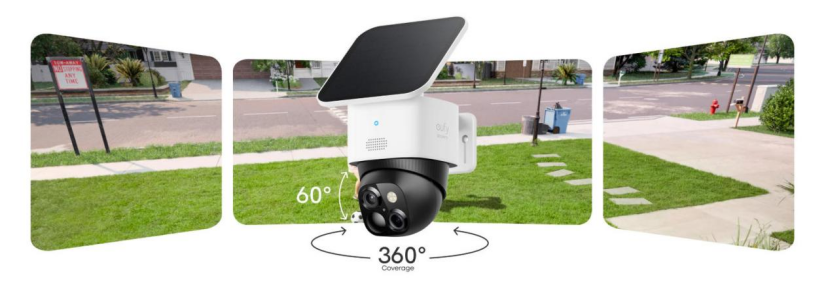
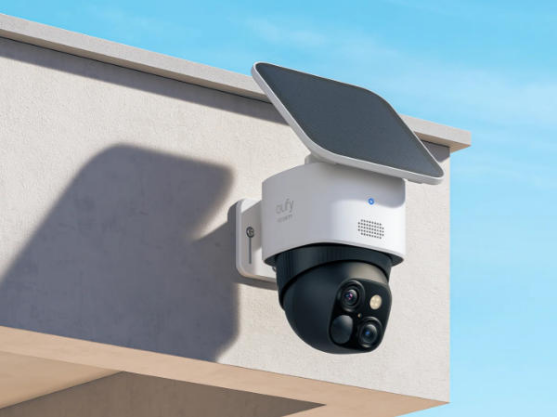
Security cameras help families stay aware of what happens around their home throughout the day. A thoughtfully chosen system can monitor entrances, shared spaces, or outdoor areas without feeling intrusive. In everyday life, PTZ cameras are useful because they can adjust views remotely to cover wider areas as routines change. A eufy PTZ security camera is often valued for offering smooth movement and clear viewing that fits naturally into family schedules rather than demanding constant attention. When integrated carefully, cameras support security while remaining unobtrusive.
4. Ensure Food and Water Safety
Store Chemicals and Medicines Safely
Household chemicals and medicines should be stored out of reach of children and pets. Cabinets with child-resistant locks add a simple layer of protection. Labels should remain intact so contents are easily identified. Storing products in their original containers helps prevent confusion. Regularly reviewing storage areas ensures nothing is left accessible by mistake. Safe storage reduces the risk of accidental ingestion during everyday activities.
Check Expiry Dates on Food and Fire Extinguishers
Expired items may look normal but fail when needed most. Food past its expiration date can cause illness, especially in children or older family members. Fire extinguishers also have limited lifespans and should be checked periodically. Pressure indicators and expiration dates provide useful guidance. Keeping a simple schedule for checks helps prevent oversight. Routine reviews support health and emergency readiness.
5. Prepare for Emergencies
Create a First-Aid Kit and Emergency Contact List
A well-stocked first-aid kit helps families respond quickly to minor injuries. Kits should include basic supplies and be stored in an easily accessible location. Emergency contact lists should be clearly written and updated as information changes. Posting the list in a common area helps all family members find it quickly. Familiarity with supplies improves response during stressful moments. Preparation turns uncertainty into manageable action.
Teach Children How to Call for Help
Children benefit from learning how to respond during emergencies. Teaching them how to dial emergency numbers builds independence and confidence. Practice helps reduce fear and confusion when quick action is needed. Children should also know their home address and how to describe problems clearly. These lessons can be taught gradually through everyday conversations. Knowledge empowers children while supporting overall family safety.
Conclusion
Improving home safety for a family involves thoughtful planning and consistent habits rather than dramatic changes. Preventing accidents, reducing fire risks, and strengthening security all contribute to a safer living environment. Practical tools and clear routines help safety measures blend naturally into daily life. When technology is chosen carefully, options such as an eufy PTZ security camera can support awareness without disrupting family comfort. Safety becomes most effective when it feels manageable and familiar. A well-prepared home supports confidence, comfort, and long-term peace of mind.