Robot Vacuum Buying Guide for Modern Homes
January 26, 2026
Choosing the appropriate robot vacuum may dramatically increase cleaning efficiency, particularly in households with several floors, pets, or hectic schedules. With so many models offering a variety of features, it’s critical to focus on what genuinely affects performance. Modern robot vacuums do more than just sweep; they now include complex navigation, mopping capabilities, and even self-emptying docks. Suction strength, battery life, and smart mapping are all important factors to consider when choosing the finest vacuum for your house. This article breaks down the most crucial features to look for, assesses if high-end upgrades are worth the cost, and assists you in making an informed purchase decision.
What Should You Look For in a Robot Vacuum?
Suction Power, Cleaning Modes, and Floor Types
The ability of a robot vacuum to take up dust, crumbs, and pet hair is directly related to its suction power. Models with 2000Pa or more function well on carpets and dense rugs, while models with lesser suction can efficiently handle bare floors. When switching between floor types, use a vacuum with adjustable suction or automatic boost mode. Multiple cleaning modes, such as spot, edge, and auto, provide additional versatility depending on the problem or room size. If your house has hardwood, tile, and carpets, choose a unit with multi-surface support and tangle-free brushes. The finest robot vacuums are adaptable and provide consistent cleaning across all types of flooring.
Navigation, Mapping, and Obstacle Avoidance
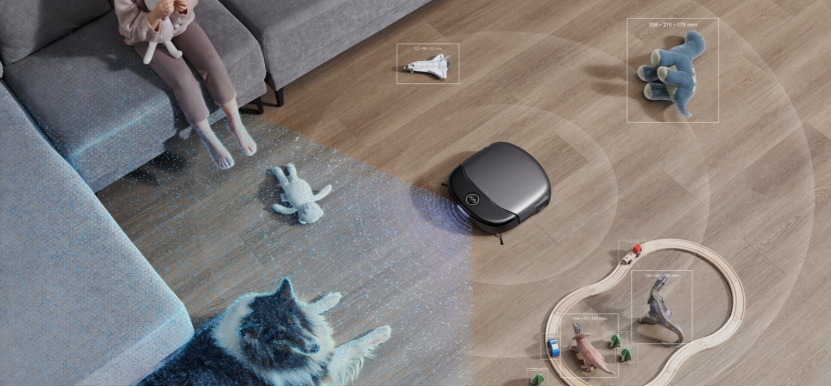
Advanced navigation technologies allow robot vacuums to travel more efficiently while avoiding collisions with furniture or becoming trapped. Top-tier models scan and map your house using LIDAR or vSLAM (visual simultaneous localization and mapping), resulting in optimal cleaning paths. These systems provide features such as room-specific cleaning, no-go zones, and multi-floor memory. Entry-level devices sometimes rely on random navigation or gyroscopes, which might miss targets or overlap coverage. Obstacle detection employing infrared, cameras, or laser sensors decreases collisions and prevents falls. Smart mapping not only increases cleaning efficiency, but it also enables app management and real-time tracking. For larger houses or congested places, intelligent navigation is an important element to emphasize.
Battery Life, Runtime, and Charging Behavior
The battery capacity impacts how long a robot vacuum can clean before needing to be recharged. Models with at least 100 minutes of runtime are ideal for small to medium-sized households, while vacuums with 150 to 200 minutes or more are better suited to bigger rooms. Many sophisticated units include auto-resume capabilities, which means they will return to the dock, recharge, and begin cleaning from where they left off. Quick-charging capabilities help decrease downtime between sessions. Look for lithium-ion batteries, which are more efficient and last longer than traditional versions. If you intend to clean big areas in one session or require daily multi-room coverage, prolonged battery life and smart charging behaviors are critical to ensuring thorough and uninterrupted cleaning.
Are Advanced Features Worth the Extra Cost?
Self-Emptying, Self-Washing, and Auto-Drying Docks
Premium robot vacuums now include self-emptying dustbins, self-washing mop pads, and auto-drying functions, all aimed to eliminate manual maintenance. Self-emptying docks collect waste in a sealed bag, allowing for weeks of hands-free operation. In hybrid versions, self-washing docks clean the mop pads after each cycle, while auto-drying minimizes odor and bacteria development. These features boost the price greatly yet provide unparalleled convenience. They’re especially useful for people who are frequently on the go, have pets, or have allergies. If low maintenance is important and you want an almost self-cleaning experience, investing in a robot vacuum with an all-in-one dock can provide significant long-term value and time savings.
Mopping Functions, Water Control, and Hybrid Models
Many robot vacuums now include mopping capabilities, which combine dry vacuuming and wet cleaning in one unit. Hybrid versions utilize an electric water tank and a cloth pad to remove minor stains from hard floors. Some units include water flow control, which allows you to change the level based on the floor type or dirt level. Advanced versions even elevate the mop to prevent wetting the carpets. While not a complete replacement for human mopping, these functions assist in keeping floors clean in between deep cleans. If your floors are largely tile, laminate, or hardwood, a hybrid vacuum with smart mopping control can keep them clean with little effort.
Maintenance, Durability, and Long-Term Ownership Costs
Ongoing maintenance has an impact on the long-term cost and performance of your robot vacuum. Cheaper versions may have a reduced initial cost, but they frequently require filter, brush, or battery replacement. High-end vacuums are often made with higher-quality materials, self-cleaning systems, and modular components for simpler part replacement. Before purchasing replacement parts, check their availability and price. Consider the length of the warranty and the reputation of the customer service team, since both factors influence long-term satisfaction. Models that require less manual emptying and mop cleaning decrease daily labor and wear. Investing in a long-lasting, low-maintenance vacuum may be more expensive at first, but it frequently pays off in terms of durability, fewer failures, and less upkeep during the product’s lifetime.
Conclusion
Finding the right robot vacuum means balancing core performance with convenience features based on your home’s layout and your lifestyle. Most homes should prioritize powerful suction, intuitive navigation, and extended battery life. If you want complete automation, think about advanced features like self-emptying docks, cleaning systems, and multi-floor mapping. While these features add expense, they can considerably reduce daily work and increase product lifespan. Maintenance and part availability are equally important for long-term value. Whether you live in a little apartment or a huge house, the finest robot vacuum is one that can handle different floor types, adjust to your schedule, and clean thoroughly with little effort.