
Solar Generator Buying Guide for First-Time Buyers
January 30, 2026
Considering a solar generator for the first time can be daunting. They’re versatile equipment that provides clean energy for various uses, but making an informed choice requires understanding specific key aspects. This guide simplifies the buying process by explaining how solar generators work, sizing them correctly, and identifying essential features. Whether you’re preparing for a power outage or planning a camping trip, you’ll learn how to match a generator to your needs and ensure reliability with trusted brands. We’ll also highlight significant features and safety considerations to streamline your decision-making process. Solar generators provide peace of mind with sustainable energy, and this guide will equip you with the knowledge to choose one confidently.
Understand What a Solar Generator Is and How It Works
Core Components Explained: Battery, Inverter, Charge Controller
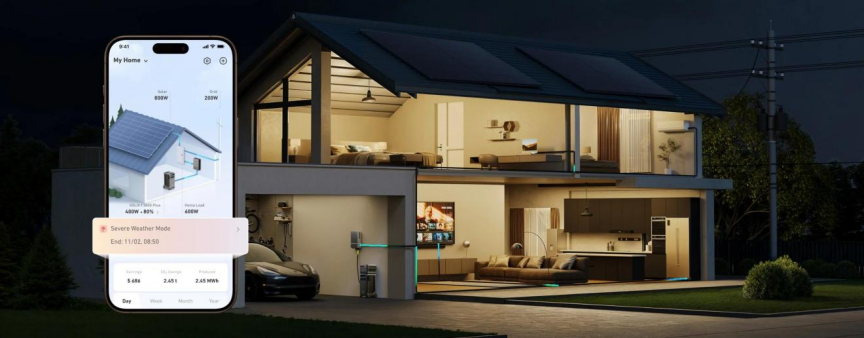
A solar generator comprises three main parts: the battery, inverter, and charge controller. The battery stores the energy collected from solar panels and makes it available for later use. Lithium-ion batteries are common due to their efficiency and longevity. The inverter converts DC (direct current) stored in the battery to AC (alternating current), which powers household appliances. Choosing the right inverter means matching its output with your devices’ requirements. The charge controller regulates the voltage and current from the solar panels; it ensures the battery charges efficiently and prevents overcharging. It’s crucial to select a well-integrated system where these components align with your energy needs.
How Solar Input, Wall Charging, and Car Charging Differ
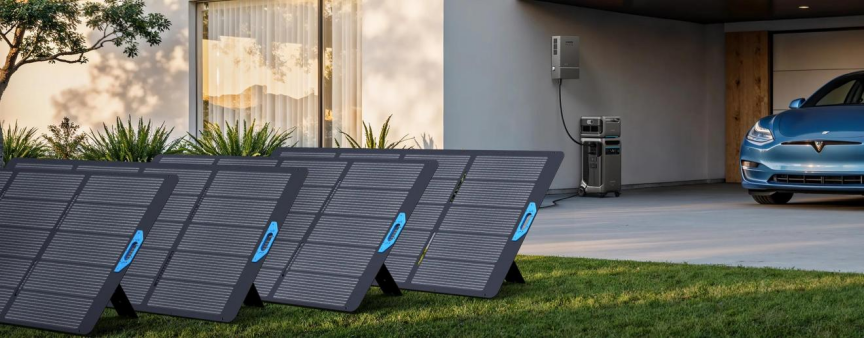
Solar generators can be charged via solar panels, wall outlets, or car ports. Solar input harnesses sunlight to charge the battery, ideal for locations with ample sunshine. Panels with high efficiency, like Anker’s 3,200W solar input system, enable fast charging under optimal conditions. Wall charging allows the generator to be charged through standard electrical outlets. Anker’s generators offer compatibility with 240V wall outlets for rapid recharging. Car charging utilizes your vehicle’s power, beneficial when solar exposure is limited. While solar charging embraces renewability, wall and car charging provide flexible alternatives, ensuring your generator is ready when you need it.
Choose the Right Size and Power for Your Needs
Calculate Power Needs for Home Backup, Camping, and Travel
Determine your energy requirements by assessing the devices and appliances you’ll power. For home backup, identify critical systems like refrigerators and air conditioning units. A generator with a high kWh capacity, such as Anker’s scalable 53.8kWh model, offers reliable home backup. For camping, list small electronics and lights; a compact generator suffices. Travel demands portable power solutions; consider generators with outlets for laptops and phones. Calculate total wattage for simultaneous device operation. By tailoring generator power to your specific needs, you ensure efficiency and optimal performance in any scenario.
Capacity vs. Output: What First-Time Buyers Often Miss
Capacity refers to the total energy a battery can store, measured in kilowatt-hours (kWh). Output is the power provided at any time, measured in watts. New buyers might overlook output requirements, focusing solely on capacity. A generator with high capacity supports extended use, but matching the output with device needs is crucial. For example, Anker’s generators offer up to 6,000W AC output per unit, powering both fridges and central air conditioning. Ensure the chosen generator supports the total simultaneous wattage of devices. Balance capacity with output to maximize efficiency and utility.
Compare Features, Safety, and Trusted Brands
Key Features to Look For: Ports, Battery Type, and Lifespan
Prioritize features that enhance usability and durability. Look for a variety of output ports like USB, AC, and DC to accommodate different devices. Consider the battery type: lithium-ion offers longevity and efficient charging. Anker generators provide EV-grade batteries with a 10+ year lifespan and a 5-year warranty. Examine the generator’s scalability for increased capacity during emergencies. Safety is paramount; ensure advanced battery management systems to prevent overcharging and overheating. Remote control via apps adds convenience, allowing users to monitor and manage energy usage effortlessly.
Reliable Options to Consider: Anker SOLIX Solar Generators
For trustworthy performance, consider Anker SOLIX solar generators. The F3800 Plus model includes a 400W solar panel with high-efficiency input, capable of charging fully in less than 2 hours under optimal sunlight. The generators support 240V bypass charging, compatible with wall outlets or gas generators. They offer scalability starting from 3.84kWh and can expand to 53.8kWh, fitting multiple usage scenarios. Dual voltage outputs of 120V/240V power a wide array of appliances, from refrigerators to central AC. The remote control option via the Anker app facilitates monitoring and control, proving its reliability for diverse energy needs.
Conclusion
Selecting solar powered generators involve understanding its components and charging methods, calculating your power needs, and identifying crucial features. Choosing the correct size ensures effective use between home backup, camping, and travel situations. Prioritize safety and invest in trusted brands like Anker SOLIX for reliability and performance. Equipped with these insights, your solar generator decision will lead to sustainable and efficient energy use, offering peace of mind in all circumstances. Advance with confidence and embrace the clean energy transition today, securing a reliable power source for the future.